
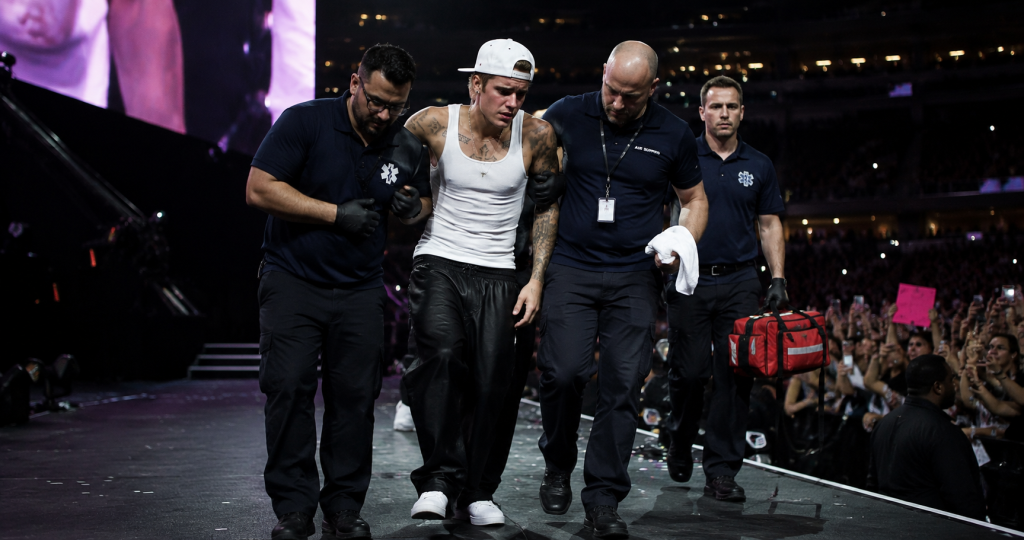
The entertainment industry has seen a noticeable rise in celebrity tour injuries in 2026. From stage falls and pyrotechnic accidents to exhaustion-related collapses, performers are facing increasing physical risks while delivering larger and more demanding live productions. Fans may only see the polished performance on stage, but behind the scenes, legal teams, insurers, production crews, and medical staff are dealing with the serious consequences of these incidents.
Recent reports involving performers like Justin Bieber, Jessie J, and Riley Green have pushed the issue into the spotlight. Many of these injuries are not just medical concerns. They also raise questions about venue safety, performer protection, liability, and legal accountability throughout the entertainment industry. As touring schedules grow more intense, the legal side of celebrity injuries has become impossible to ignore.
Why Celebrity Tour Injuries Are Becoming More Common
Modern concert tours are far more physically demanding than they were a decade ago. Today’s performers are expected to combine live vocals, choreography, visual effects, moving stages, aerial stunts, and long travel schedules across multiple countries. While these productions create unforgettable experiences for fans, they also increase the risk of injury.
According to recent entertainment reports, performers are now experiencing more repetitive stress injuries, muscle tears, dehydration, vocal strain, and on-stage accidents than ever before. Billboard recently highlighted how global touring schedules have intensified following the return of large-scale live events.
Some injuries happen suddenly during performances, while others develop gradually due to physical exhaustion. In many cases, artists continue performing despite injuries because postponing a major tour can cost millions of dollars.
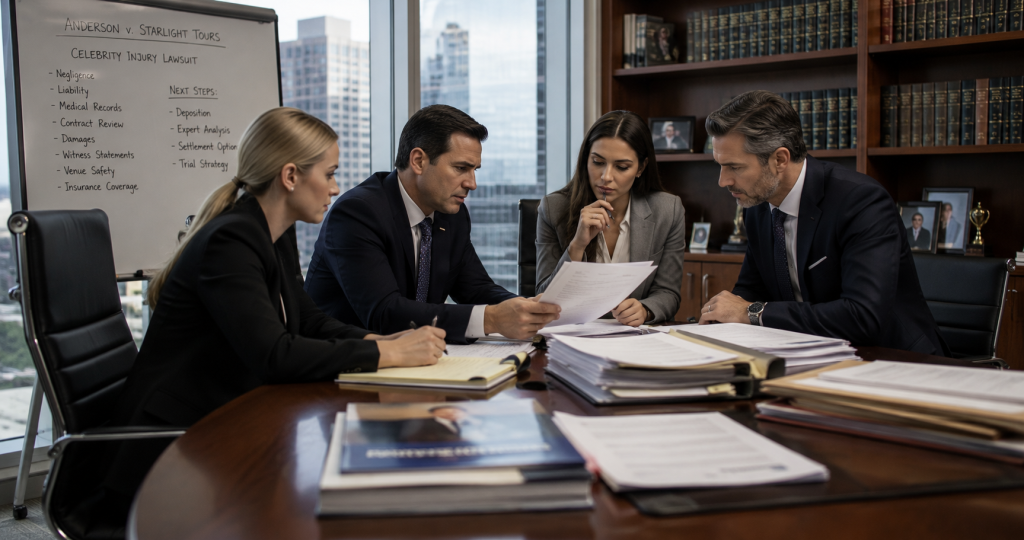
Recent Celebrity Injury Incidents That Drew Attention
Several celebrity injuries have already dominated headlines in 2026. Reports surrounding Justin Bieber’s concert injury scare raised concerns about performer safety after fans noticed the singer appearing physically uncomfortable during a live show. Similarly, singer Jessie J underwent emergency medical evaluation following a head injury during a tour-related incident.
Country singer Riley Green also suffered an on-stage injury after reportedly being struck by a phone thrown from the audience. The incident highlighted growing concerns surrounding fan behavior at live performances. You can read more about similar incidents in our article on The Legal Implications of Celebrity Injuries During Public Appearances.
These situations have sparked larger discussions regarding crowd management, venue responsibility, and whether performers are being pushed beyond safe physical limits.
Who May Be Liable When a Celebrity Gets Injured on Tour?
When a celebrity is injured during a tour, determining liability can become complicated. Responsibility may involve multiple parties, depending on how the injury occurred. These cases often require investigations involving contracts, safety procedures, insurance policies, and witness testimony.
Potentially responsible parties may include:
- Concert promoters
- Venue owners
- Production companies
- Stage equipment providers
- Security contractors
- Tour management teams
- Third-party vendors
For example, if faulty stage equipment causes an accident, the manufacturer or maintenance provider may face legal scrutiny. If poor crowd control contributes to an injury, venue operators or security teams could potentially be held accountable.
According to Nolo, negligence claims often depend on whether a responsible party failed to maintain safe conditions that could reasonably prevent injuries.
The Role of Insurance in Celebrity Injury Cases
Insurance plays a major role in celebrity tour injuries. Most major tours involve extensive insurance coverage designed to protect performers, venues, and promoters from financial losses caused by accidents or cancellations.
However, disputes frequently arise over what policies actually cover. Some insurance companies may argue that injuries resulted from pre-existing conditions, exhaustion, or risky performer behavior rather than unsafe environments.
Entertainment lawyers often become involved quickly when injuries affect scheduled performances or sponsorship agreements. Policies covering lost revenue, medical treatment, production delays, and cancellation costs may all come into play during legal negotiations.
Our readers may also find value in exploring recent celebrity injury lawsuits and legal trends involving high-profile performers and production companies.
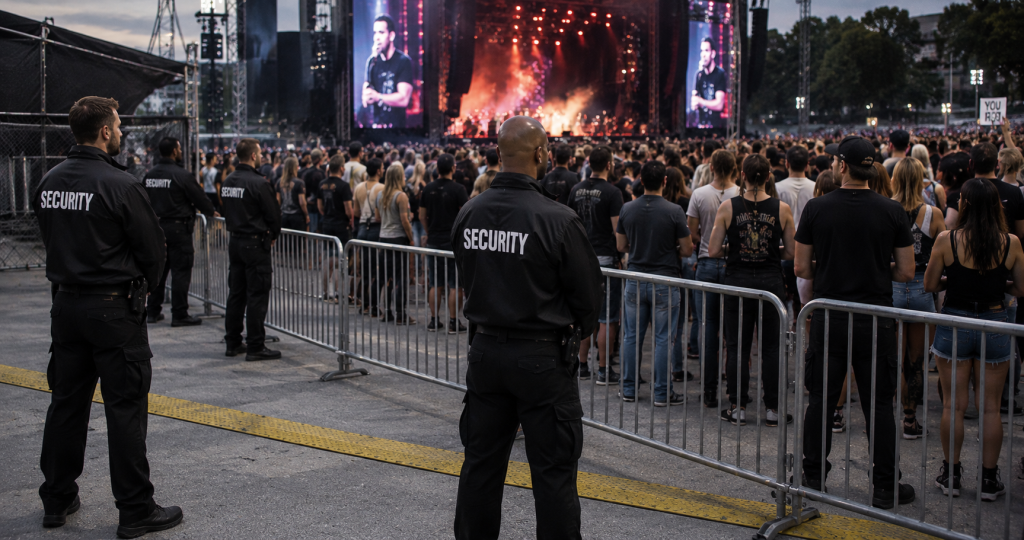
How Social Media Is Changing Public Reactions
Social media has dramatically changed how celebrity injuries spread online. Within minutes of an incident, fans may upload videos, eyewitness accounts, and reactions across platforms like TikTok, Instagram, and X.
This instant visibility creates additional pressure on performers and production teams. Public reactions may influence legal strategies, insurance negotiations, and even future tour decisions.
At the same time, viral footage often becomes evidence in legal investigations. Videos recorded by fans may help establish whether safety measures were followed or whether negligence played a role in the incident.
The growing impact of social media on celebrity injury coverage has already become a trending topic across entertainment law discussions. Court TV has documented how modern civil lawsuits increasingly involve digital evidence and viral online content.
Touring Conditions Are Taking a Physical Toll on Performers
Many performers now spend months traveling across multiple countries with very limited recovery time between shows. Sleep deprivation, repetitive performances, intense choreography, and demanding schedules all contribute to higher injury risks.
Medical experts have also warned that continuous touring may increase the likelihood of chronic injuries involving the back, knees, shoulders, and vocal cords. Some performers require surgeries or extended rehabilitation after pushing through physically demanding tours.
These conditions have fueled discussions about whether production companies and management teams are doing enough to prioritize performer health and recovery.
Rolling Stone recently discussed how modern touring expectations may be creating unsustainable conditions for artists attempting to maintain global popularity while constantly performing.
Legal Challenges After High-Profile Injuries
Celebrity injury lawsuits often become highly publicized because of the financial stakes involved. A single canceled tour can impact ticket sales, sponsorship contracts, merchandise revenue, venue agreements, and streaming promotions.
Legal disputes may involve:
- Breach of contract claims
- Negligence allegations
- Insurance disputes
- Medical expense reimbursement
- Lost income claims
- Safety compliance investigations
Some cases settle privately, while others may move into lengthy litigation involving multiple companies and insurers.
You can also explore our related coverage discussing Celebrity Horse Accidents Legal Rights & Liability, which explains how liability investigations may extend beyond traditional performance injuries.
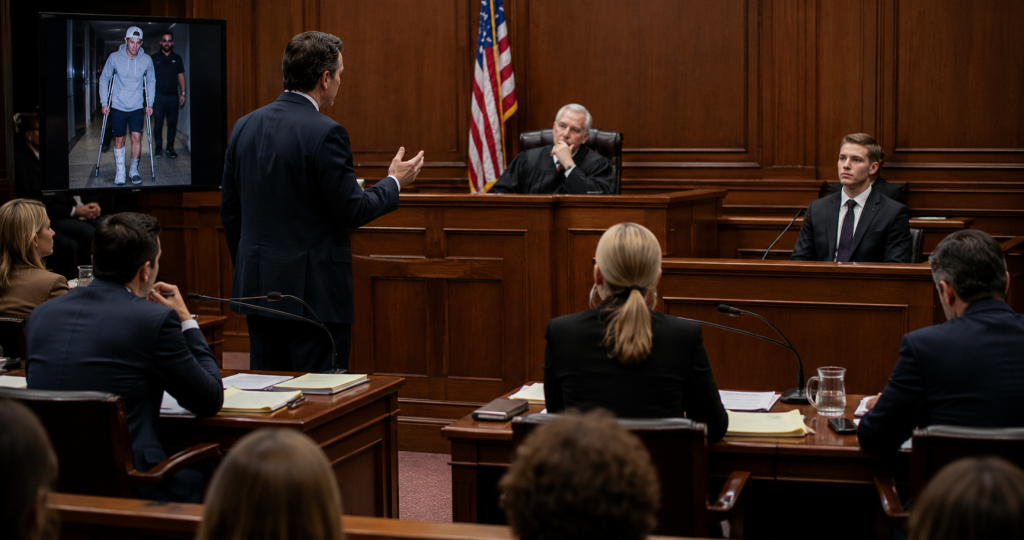
How the Industry May Respond Moving Forward
As celebrity injuries continue making headlines, the entertainment industry may face growing pressure to improve safety standards. Some experts believe touring contracts may eventually include stricter health protections, mandatory rest periods, and enhanced safety inspections for venues and stage equipment.
Production companies may also increase investment in medical teams, physical therapy support, and mental health resources for touring performers.
Meanwhile, fans are becoming more aware of the physical risks celebrities face while performing live. Public support for safer touring conditions appears to be growing as more injury stories emerge online.
Final Thoughts on Celebrity Tour Injuries in 2026
Celebrity tour injuries are no longer isolated incidents. They have become part of a broader conversation involving performer safety, legal responsibility, insurance disputes, and the growing demands of modern entertainment.
As tours become larger and productions become more physically intense, the legal and financial consequences of these injuries may continue shaping the entertainment industry for years to come.
For fans, these incidents offer a reminder that behind every performance is a real person facing physical risks under enormous pressure. For the industry, they highlight the importance of balancing entertainment with safety and accountability.
For more celebrity injury news, legal analysis, and entertainment liability updates, visit InjuredCelebs.com.