
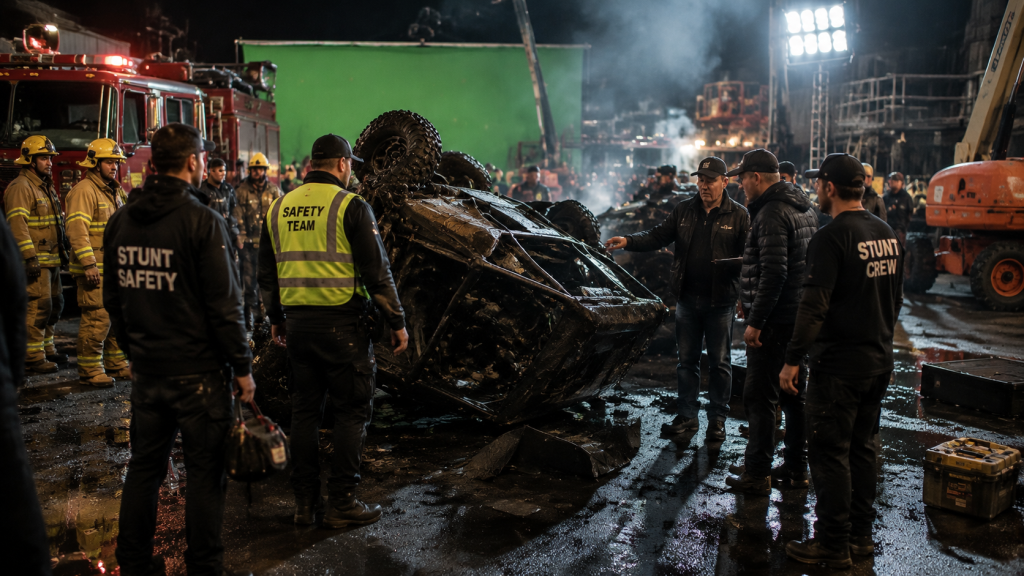
In 2026, the entertainment industry is facing renewed scrutiny over celebrity on-set safety failures. As film and television productions become more ambitious, the pressure to deliver visually stunning content has led to increasing concerns about whether safety protocols are always being followed. When things go wrong on set, the consequences can be serious—especially when stunt performers, actors, or crew members are injured.
Recent discussions in Hollywood highlight a growing issue: production teams allegedly rushing schedules, reducing safety budgets, or relying too heavily on complex stunt setups without proper safeguards. These incidents raise critical legal questions about liability, negligence, and responsibility when injuries occur during filming.
The Rise of On-Set Safety Concerns in Modern Productions
Film production today is more complex than ever. With streaming platforms competing for high-quality content, studios are investing in large-scale action sequences, practical effects, and immersive storytelling. While audiences enjoy the results, behind the scenes, production demands often place significant pressure on crews.
According to the Occupational Safety and Health Administration (OSHA), workplaces—including film sets—must maintain safe environments for workers. However, enforcement in entertainment environments can be complicated due to temporary setups, changing locations, and unpredictable stunt requirements.
Industry reports from The Hollywood Reporter and Variety continue to highlight incidents where safety concerns may have been overlooked in favor of production speed.
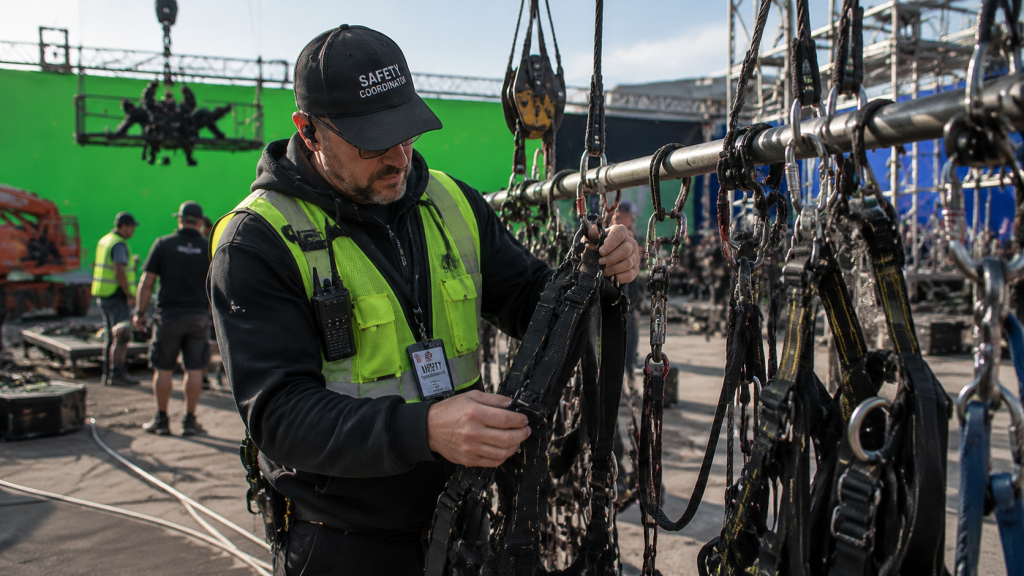
Common Types of On-Set Injuries
Celebrity and stunt-related injuries can occur in many ways, especially in action-heavy productions. Some of the most common include:
- Falls from elevated platforms or rigs
- Vehicle stunt collisions
- Fire and explosion-related injuries
- Equipment malfunction incidents
- Wire and harness failures
- Slips and trip hazards on set
Each of these incidents can lead to significant medical consequences and potential legal claims depending on the circumstances.
Who May Be Legally Responsible for On-Set Injuries?
Determining liability in on-set safety failures is rarely simple. Multiple parties may share responsibility depending on the situation.
Potentially liable parties may include:
- Production companies
- Film studios
- Stunt coordinators
- Safety supervisors
- Equipment manufacturers
- Third-party contractors
In some cases, negligence may involve failure to properly inspect equipment or ignoring known safety risks. In others, liability may stem from inadequate training or rushed production schedules.
More legal insights about celebrity-related incidents can be found in our article on celebrity injury liability at public events.
The Role of Safety Protocols in Film Production
Most professional film sets follow strict safety guidelines designed to protect cast and crew. These include rehearsals, stunt testing, emergency response planning, and safety inspections before each shoot.
Organizations such as SAG-AFTRA continue to advocate for stronger safety enforcement, especially for stunt performers and background actors who may be exposed to higher physical risk.
Despite these safeguards, accidents still occur when protocols are not fully followed or when production timelines create pressure to move forward before conditions are fully safe.
When Safety Failures Lead to Legal Action
If a stunt performer or actor is injured on set, legal action may follow. Lawsuits often focus on whether the production company or other responsible parties failed to provide a safe working environment.
Legal claims may involve:
- Negligence lawsuits
- Workers’ compensation claims
- Breach of contract disputes
- Insurance coverage disagreements
- Third-party liability claims
Insurance companies often become heavily involved in these cases, especially when injuries result in production delays or financial losses.
According to Nolo, negligence claims typically require proof that a duty of care was breached and directly caused the injury.
How Production Pressure Contributes to Risk
One of the most discussed issues in Hollywood is the pressure to meet deadlines and budget expectations. Large productions often involve millions of dollars per day in operational costs, which can lead to rushed decisions.
When safety checks are shortened or rehearsal time is reduced, the risk of accidents increases significantly. This is especially true in action-heavy productions involving stunts, pyrotechnics, or complex mechanical systems.
Industry analysts at BBC Culture have noted that modern audiences expect more realism, which further increases production complexity and risk.
Impact on the Entertainment Industry
High-profile safety failures can have long-term consequences for production companies. Beyond financial losses, they may face reputational damage, regulatory investigations, and stricter oversight in future projects.
Studios may also implement new internal policies, including increased safety training, mandatory stunt rehearsals, and enhanced monitoring of high-risk scenes.
In some cases, productions may even be paused or restructured following serious incidents.
Future of On-Set Safety in Hollywood
As technology evolves, the industry is exploring ways to reduce physical risk while maintaining cinematic realism. Advances in CGI, motion capture, and virtual production may help minimize dangerous stunt work in the future.
However, many filmmakers still prefer practical effects for authenticity, meaning stunt-related risks are unlikely to disappear entirely.
The balance between creative storytelling and worker safety will continue to be a major issue in the entertainment industry moving forward.
Final Thoughts
Celebrity on-set safety failures highlight an important truth about modern filmmaking: behind every action scene is a team of professionals working in potentially dangerous conditions. When safety is compromised, the consequences can be severe—not only physically but also legally and financially.
As Hollywood continues to push creative boundaries, ensuring proper safety standards will remain essential to protecting everyone involved in production.
For more entertainment law analysis and celebrity injury coverage, visit InjuredCelebs.com.